
 English
South Africa's floods claim more than 300 deaths and scientists describe it as one of the disasters of climate change


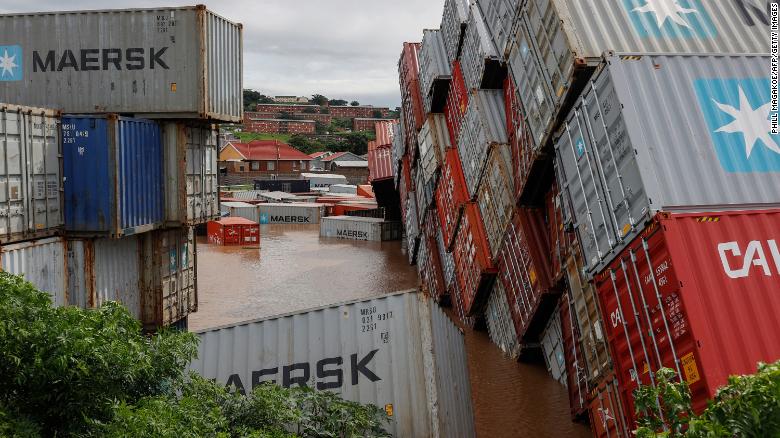
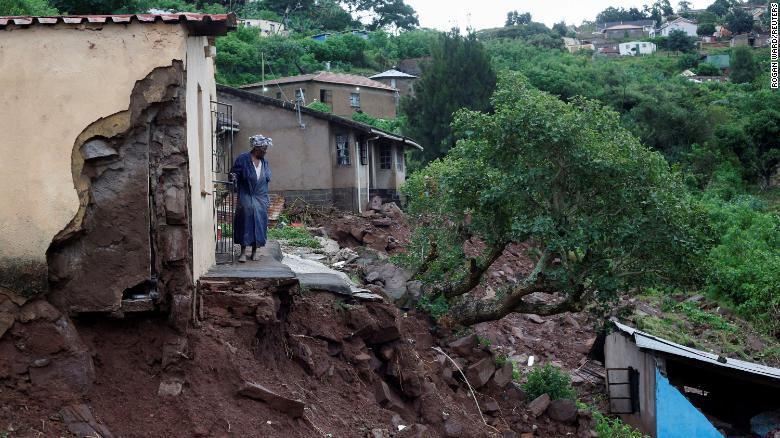
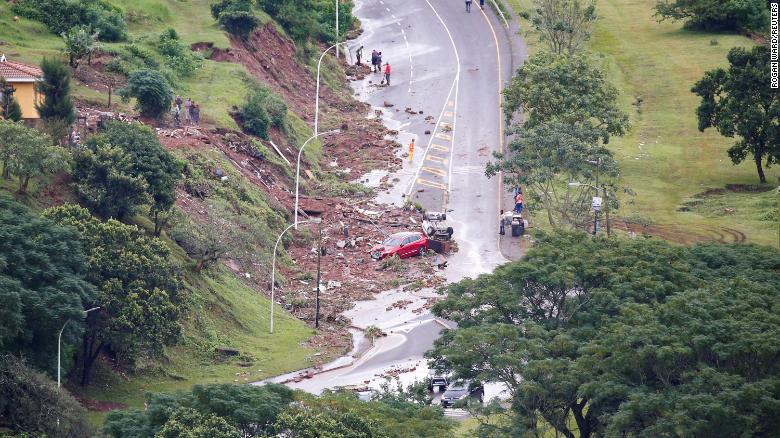
Weather of Arabia - a real disaster befell the eastern coast of South Africa, where heavy rains and floods killed at least 306 people (including children), severely damaged roads and infrastructure and destroyed homes, in one of the worst disasters in the history of the region.
The province of KwaZulu-Natal, which includes the coastal city of Durban, has witnessed heavy rains since Monday (April 11), in what the provincial government described as "one of the worst weather storms in the history of our country", adding: "The heavy rain that fell on our land in the past few days has caused devastation." unspeakable and caused massive damage and loss of life and infrastructure."
Rescue teams worked to evacuate people in areas that witnessed mudslides, floods and structural collapses of buildings and roads. Heavy rains also affected power lines in many municipalities, and power stations were inundated with floodwaters, while main water lines were damaged.



South African flood disaster and climate change
The extreme weather comes just months after torrential rains and floods hit other parts of South Africa, with three tropical cyclones and two tropical storms over the course of just six weeks from late January, when 230 deaths were reported and 1 million people affected.
Mozambique, South Africa's northern neighbor, has also suffered a series of devastating floods over the past decade, including one last month that killed more than 50 people.
Scientists from the World Weather Attribution (WWA) project — which analyzes the extent to which the climate crisis is contributing to an extreme weather event — have found that climate change has made those events more likely.
Scientists have warned that the world should try to limit global warming to 1.5 degrees Celsius to stave off some of the irreversible effects of climate change, and the Earth is now about 1.2 degrees warmer.
In southeast Africa, a warming of 2°C is projected to increase the frequency and intensity of heavy rains and floods, and increase the intensity of powerful tropical cyclones, which are associated with heavier precipitation.
Read also: How can only 1.5 degrees Celsius of warming change life on the entire planet?!
Read also: What are the causes of global warming and climate change... and what are the possible consequences


Arabia Weather App
Download the app to receive weather notifications and more..